
Widewater Shore Dive in Shoreham
Shore dive in Shoreham by Sea, West Sussex
One of the benefits to living on an island is that you are never far from the coast. Only around 1hr 15 mins by train from London, Shoreham-by-Sea has an incredible local shore dive. Most people including divers, don’t realise that world class diving is only a short distance from their homes!
Widewater is about a 15 minute walk from Shoreham by Sea train station, or there is lots of parking if you prefer to drive. All day parking is available on site.
This dive site is good for most level of divers, but you must be fairly fit as there is a bit of a surface swim to the initial descent point. The maximum depth is 8m so light conditions are good and there is loads to see:
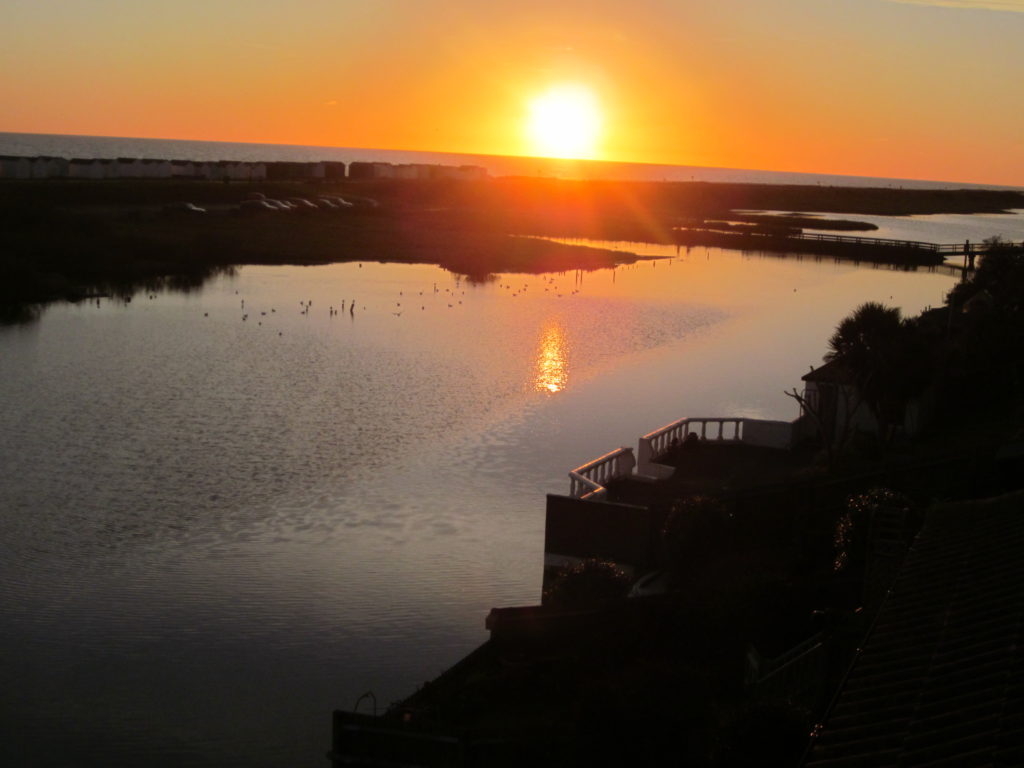
A Great Variety of Marine Life
Sea Coal ridge
– Schools of bream
– Bream nests
– Lesser spotted catsharks
– Undulate rays
– Spider crabs
– Swimmer crabs
– Macropod spider crabs
– Blennies
– Flatfishes
– Mermaid purses
– Various seaweeds
– Starfish
Scuba Diving at Widewater, Shoreham / Lancing: Sussex’s Brilliant Little Shore Dive
Widewater is one of those Sussex dive sites that quietly surprises people. From the surface it looks like a fairly ordinary stretch of shingle beach between Shoreham-by-Sea and Lancing, with beach huts, a lagoon behind the beach and the usual South Coast sea view. Underwater, however, there is a shallow reef system that can be full of life when you catch it on the right tide and in the right conditions.
For London and Sussex divers, Widewater is a fantastic local shore dive. It is easy to reach, shallow, relatively simple to navigate and suitable for a wide range of qualified divers, provided they are comfortable with shore entries, a surface swim and UK sea conditions. It is not a deep or dramatic wall dive, but that is exactly why it is so enjoyable: good light, plenty of bottom time, a natural reef, and a surprising variety of marine life in only a few metres of water.
This guide covers what you can see at Widewater, how to access the site, where to find the best section of reef, when to dive it in relation to Shoreham tide times, expected depths, and practical navigation tips.
Where is Widewater?
Widewater sits on the West Sussex coast between Shoreham Beach and Lancing Beach. The lagoon itself lies behind the shingle bank, between the A259 Brighton Road and the beach. The dive is not in the lagoon; the scuba diving is from the seaward side of the beach, heading south from the shingle into the English Channel.
The area is sometimes referred to by divers as Widewater, Widewater Lagoon, West Beach or the Widewater shore dive. It is close to Shoreham-by-Sea, Worthing, Lancing and Brighton, and is a realistic day trip from London.
The shore diving area is accessed from the seafront car park and beach huts on the seaward side of the lagoon. From there, divers walk over the shingle beach, enter the water, and swim out to the reef, which lies roughly 80 metres offshore and runs broadly parallel with the beach.
Why Dive Widewater?
Widewater is not a “big expedition” dive. It is a local, accessible, shallow reef dive — and that is its charm.
It is a great site for:
- Local Sussex shore diving
- Divers wanting UK sea experience
- Refreshing shore-diving skills
- Building confidence in shallow open water
- Photography and marine-life spotting in calm conditions
- Long, relaxed bottom times
- Training dives when conditions allow
- Divers who want a simple reef dive without needing a boat
Because the maximum depth is around 8 metres, you usually get plenty of natural light. On a good day, the seabed can feel bright and colourful compared with deeper Sussex sites. The shallow depth also means air consumption is usually relaxed, no-stop time is generous, and there is time to slow down and properly look into the reef.
That said, Widewater is still a UK shore dive. It should be treated with the same respect as any open-sea site. Visibility, swell, wind direction, tide and surface conditions can change the experience completely.
What Can You See at Widewater?
Widewater has a surprisingly rich mix of marine life for such a shallow site. The reef provides shelter, feeding areas and structure, while the surrounding sand and shingle patches attract flatfish and other bottom-dwelling species.
Common highlights include:
Bream and Bream Nests
One of Widewater’s best-known seasonal attractions is its bream. In the right season, you may see schools of bream moving over the reef or individual fish guarding nests on the seabed. Bream nests are fascinating to observe, but divers should be careful not to disturb them. Good buoyancy is essential: hover, observe, and avoid finning directly over nesting areas.
Catsharks and Rays
Divers sometimes encounter lesser-spotted catsharks resting on or around the reef. These small sharks are usually shy and beautifully patterned, so approach slowly and avoid chasing them.
Undulate rays have also been seen at Widewater. These are a real treat on a shallow shore dive. They are often partially buried or resting on sandy patches, so keep your eyes on the seabed as well as the reef.
Crabs, Spider Crabs and Swimmer Crabs
The reef is good crab habitat. Look carefully among the rocks, ledges and weed for edible crabs, spider crabs, swimmer crabs and the smaller long-legged spider crabs. In some seasons, spider crabs can be particularly noticeable.
Blennies and Small Reef Life
Widewater rewards patient divers. Slow down and inspect the nooks and crevices and you may find blennies peering out from holes in the reef. These small fish are full of character and make excellent subjects for underwater photographers.
Flatfish
The sandier areas around the reef can hold flatfish. They are easy to miss until they move, so look for the outline of a body, eyes raised above the sand, or a sudden puff of silt as they swim away.
Mermaid’s Purses
You may also find mermaid’s purses — the egg cases of sharks and rays — caught among weed or lying on the seabed. These are always interesting to spot and a good reminder of how important shallow coastal habitats are for marine life.
Starfish, Seaweeds and Reef Colour
Do not rush the dive looking only for big animals. Widewater is full of smaller details: starfish, seaweeds, crabs tucked into cracks, fish moving through the weed, and changing textures across the reef. On a calm, bright day it can be a lovely shallow naturalist dive.
Our good friend Dr. Ray Ward has put together a selection of videos from Widewater, please check them out…..
The Best Part of the Reef
The main reef lies roughly 80 metres offshore and runs broadly parallel to the beach. The best diving is generally found once you are properly on the reef rather than on the plain sand or shingle leading out to it.
The most interesting area is the raised, rockier section often referred to by divers as the Sea Coal Ridge. This is where the structure becomes more defined and where marine life tends to concentrate. If you swim out and only find low, featureless ground, keep your navigation steady and continue until you pick up the reef proper.
Once you reach the reef, the trick is not to charge off in one direction. Slow down. The life is in the detail. Work along the reef edge, checking cracks, weed-covered ledges and transitions between rock and sand. Bream, crabs, blennies, catsharks and rays are all more likely when you give the reef time.
A good dive plan is to swim out on a fixed bearing, descend when you are close to the reef, locate the rockier ground, then follow the reef parallel to shore for part of the dive before returning on a reciprocal bearing or surfacing with plenty of gas and making a controlled surface swim back.
Depths at Widewater
Widewater is shallow. The maximum depth is usually around 8 metres, depending on tide height and exactly where you are on the reef.
Typical profile:
- Entry: shallow shingle beach
- Swim out: gradually shelving seabed
- Reef area: approximately 5–8 metres
- Maximum depth: around 8 metres
The shallow depth is one of the site’s strengths. It gives good light and long dive times. It also makes Widewater a forgiving site from a decompression point of view. However, shallow does not mean risk-free. Surge, swell, poor visibility, boat traffic and the surface swim can still make it challenging.
Because the dive is shallow, surge can be noticeable. If there is a significant swell running, the entry and exit can be awkward, and photography becomes much more difficult. On those days, it is often better to postpone or choose an inland alternative.
When to Dive Widewater: Tide Timing
Widewater is tide-sensitive. The commonly used timing is to dive around slack water, approximately two hours before high water at Shoreham.
In practice, that means you should check the Shoreham tide table for the day, find high water, and plan the dive around two hours before that time. Neap tides are generally better than springs because the tidal movement is less powerful and the window of easier water is more forgiving.
For example, if high water Shoreham is at 14:00, the target slack for Widewater would be around 12:00. Build in time for parking, kitting up, briefing, buddy checks, walking to the entry point and the surface swim. You do not want to be starting the planning process at slack; you want to be ready to dive.
A sensible timeline might look like this:
- Arrive 90 minutes before the target dive time
- Check the sea state before unloading everything
- Kit up and brief
- Enter the water with enough time to complete the surface swim
- Descend near the reef close to the planned slack-water window
- Keep the dive conservative and monitor conditions throughout
Avoid diving Widewater on big spring tides unless you know the site well and conditions are excellent. Also remember that wind and swell can matter just as much as tide. A theoretically perfect slack is not much use if the beach entry is being hammered by surf.
Access and Parking
Widewater is one of the more straightforward Sussex shore dives to access, but it still involves carrying kit and crossing shingle, so pack sensibly.
The main access is from the seafront car park near the beach and lagoon. From the car park, divers head up to the cycle path, cross carefully, walk between the beach huts and down the shingle beach to the water.
The beach is stony, so sturdy footwear is useful. If you are carrying twinsets or a stage cylinder, the walk will feel longer than it looks. For most recreational divers in single-cylinder kit, it is manageable, but you should still allow time and avoid rushing.
Public transport is possible, with Shoreham-by-Sea station within walking distance for fit divers travelling light, but most divers will find it easier to drive because of cylinders, weights and exposure suits.
There are public facilities in the area, including toilets and nearby refreshments, but always check current availability before relying on them for a group dive.
Entry and Exit
The entry is a typical Sussex shingle beach entry. Conditions can vary enormously depending on wind, swell and tide.
On a calm day, entry is straightforward:
- Walk down the shingle to the waterline.
- Time your entry between waves.
- Put fins on where practical.
- Swim out on the surface towards the reef.
- Descend when you are close to the planned start point.
The exit is usually a reverse of the entry, but this is where a small swell can feel much more powerful. The shore break can knock divers around, especially when carrying cameras or bulky kit. Keep your regulator in until you are safely out of the wash zone, and help your buddy if needed.
If the swell is big enough that the exit looks unpleasant before the dive, take the hint. Widewater is best enjoyed in calm conditions.
Navigation Tips
Navigation at Widewater is simple in concept but still worth taking seriously.
The basic plan is:
- Enter from the beach near the beach huts.
- Swim straight out from shore for roughly 80 metres.
- Locate the reef.
- Follow the reef, which runs broadly parallel with the beach.
- Return using a reciprocal bearing or ascend with an SMB and surface swim back.
Before entering, stand on the beach and choose your shore reference points. Pick something obvious: a beach hut, a gap, a building, or a feature near the car park. Remember what your exit point looks like from the sea.
Because the reef runs parallel to shore, it is easy to enjoy a gentle out-and-back or along-and-back dive. However, if visibility is poor, divers can drift away from the best ground or end up swimming over less interesting sand and shingle. Take a compass bearing from shore to reef, and take the reciprocal bearing for the return.
Suggested navigation approach:
- Take a bearing straight out from the entry point.
- Surface swim most of the distance to save gas.
- Descend close to where you expect the reef.
- If you do not find reef quickly, do a short, controlled search pattern rather than swimming randomly.
- Once on the reef, note whether you turn left or right.
- Keep the reef on one side for the outward section.
- Turn the dive with plenty of gas.
- Return with the reef on the opposite side or use a reciprocal bearing.
- Deploy an SMB if surfacing away from the beach or if boat traffic is possible.
Every buddy pair should carry and know how to use an SMB. Even though this is a shore dive, there can be boat traffic, and a visible SMB is an important safety tool.
Road Directions
By road follow seafront route A259 towards Shoreham by Sea.
There are steps near to the Broadway (about 500 yds east of Old Salts Road) parking is on roadside. Or continue to the roundabout opposite Shoreham airport, take the exit to Shoreham Beach, then 1st right along to car parking area along the beach and lagoon.
Public Transport Directions
Stagecoach 700 bus route between Brighton and Worthing has stops along the Brighton Road (request stop near the Broadway).
Other bus routes connect with 700 route at Marine Parade (near the Pier and Dome Cinema). The National Express coach service linking London and Worthing also stops at the Dome.
There are a set of steps up from the south side of the road between the houses.
For up to date timetables and public transport information contact : Traveline 0871 200 2233 web: www.traveline.org.uk
Visibility and Conditions
Visibility at Widewater is typical of the Sussex coast: variable. It can be lovely after a settled spell of calm weather, and it can be very poor after wind, swell or heavy rain. Because the site is shallow and close to shore, it is easily affected by stirred-up sediment.
Best chances of good visibility usually come after:
- Several days of light winds
- Little or no swell
- Neap tides
- Offshore or gentle northerly winds
- Calm sea state on the day
Poorer conditions are more likely after:
- Strong southerly or south-westerly winds
- Big swell
- Spring tides
- Stormy weather
- Heavy rain and runoff
- Recent rough seas
Always look at the sea before committing. If the water is brown, breaking hard on the beach, or covered in white horses, save the dive for another day.
ewater can be suitable for a broad range of qualified divers, but the site is best for those who are already comfortable in open water and happy with UK shore diving.
It is suitable for:
- Qualified divers with decent buoyancy
- Divers comfortable with a surface swim
- Divers who can manage a shingle entry and exit
- Buddy pairs with compass and SMB skills
- Photographers on calm days
- Guided groups and club dives
It is less suitable for:
- Complete beginners without supervision
- Divers uncomfortable in low visibility
- Divers who struggle with shore exits
- Anyone unfit for a surface swim in full kit
- Days with strong swell or poor sea state
For newer divers, Widewater is best done with an experienced guide, instructor or club that knows the site.
Safety Considerations
Widewater is shallow, but the main risks are environmental rather than depth-related.
Key hazards include:
- Surge and swell at the entry and exit
- Poor visibility
- Surface swim distance
- Boat traffic
- Fishing lines or shore activity
- Separation in low visibility
- Fatigue from carrying kit and swimming in current
- Slippery or unstable shingle
Recommended equipment includes:
- DSMB or SMB and reel
- Compass
- Cutting tool
- Torch, even in daylight, for looking into cracks
- Good exposure protection
- Gloves where appropriate and permitted
- Boots suitable for shingle
- Audible and visible surface signalling devices
- Fully charged phone or shore cover contact plan
There are no lifeguards on duty on Adur and Worthing beaches, so divers should be self-sufficient and have an emergency plan. In a coastal emergency, call 999 and ask for the Coastguard.
Respecting the Lagoon and Local Environment
Widewater Lagoon is a sensitive local nature reserve behind the beach. It is an important brackish-water habitat and supports a variety of birds including herons, swans, geese, cormorants, kingfishers and gulls.
Divers should remember that the dive site is on the seaward side. Do not disturb the lagoon, wildlife, nesting birds or vegetation. Keep to established paths and access points, take litter home, and be considerate around walkers, cyclists, beach users and residents.
Underwater, good buoyancy matters. Avoid landing on the reef, damaging seaweed, disturbing nests or harassing marine life. Widewater is at its best when divers slow down and observe rather than chase.
Photography at Widewater
Widewater can be excellent for macro and close-focus photography when conditions are calm. Blennies, crabs, starfish, seaweed textures and small reef scenes all make good subjects. Bream and rays are possible, but patience is needed.
Tips for photographers:
- Choose a calm day with little swell.
- Keep your setup compact.
- Avoid taking a large camera if the shore break is rough.
- Use the shallow natural light to your advantage.
- Move slowly to avoid stirring sediment.
- Secure accessories for the surface swim.
- Think carefully before taking expensive camera kit through a shingle surf exit.
A small action camera or compact setup is often more practical than a large rig at this site.
A Suggested Dive Plan
Here is a simple plan for a first dive at Widewater with a competent buddy pair or guided group.
Before the Dive
Check:
- Shoreham high water time
- Target slack: approximately two hours before high water
- Wind direction and strength
- Swell forecast
- Visibility reports if available
- Tide size, ideally favouring neaps
- Group experience and fitness
- SMB, reel and compass for each buddy pair
On Arrival
Before unloading all the kit, walk to the beach and look at the sea. Check the shore break, surface conditions and any boat or fishing activity. If the sea state is not suitable, do not force the dive.
Briefing
Cover:
- Entry and exit point
- Surface swim direction
- Expected reef location
- Maximum depth
- Turn pressure
- Lost buddy procedure
- SMB use
- Emergency plan
- Exit options
In the Water
Surface swim out on the planned bearing. Descend near the reef and take a moment to orientate. Once you find the reef, slow the pace. Follow the structure, look under ledges and along the sand edge, and avoid finning too close to the bottom.
Turn the dive early enough to return comfortably. If you are unsure of your position, deploy an SMB and ascend in a controlled manner before deciding whether to swim back on the surface.
Best Time of Year
Widewater can be dived throughout the UK diving season, but conditions are the deciding factor rather than the calendar. Spring and summer can bring more life and longer daylight, while autumn can sometimes produce excellent visibility after settled weather.
The key is not simply “summer equals good”. A calm neap tide in spring or autumn may be far better than a windy summer weekend. For the best experience, choose settled weather, smaller tides and a calm sea.
Final Thoughts
Widewater is one of the most enjoyable shallow shore dives on the Sussex coast when conditions line up. It is close to Shoreham, Lancing, Worthing and Brighton, accessible from the beach, and shallow enough to give long, relaxed dives with good light.
The reef is not far offshore, but finding and enjoying the best of it depends on planning. Aim for slack water around two hours before Shoreham high water, favour neap tides, swim out on a clear bearing, and spend your time on the rockier reef and Sea Coal Ridge area rather than rushing across the seabed.
Go slowly and Widewater comes alive: bream, crabs, blennies, flatfish, catsharks, rays, mermaid’s purses, starfish and seaweed-covered reef. It is a reminder that great diving does not always require a boat, a deep wreck or a long journey. Sometimes, it is waiting just off the beach.